 View full size ↗
The everyday problem
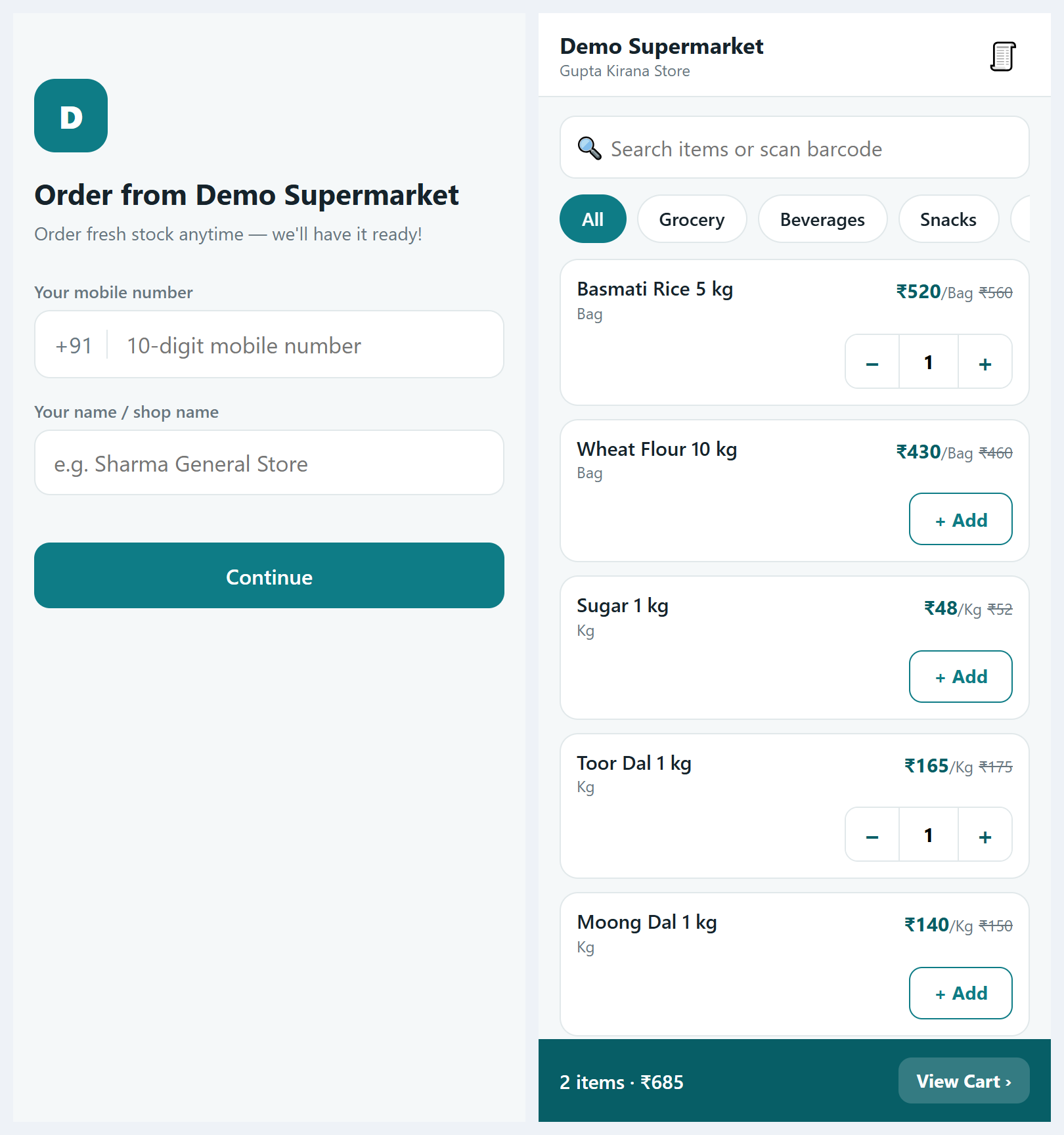
An order request and a final bill are different stages of a transaction. Where the ordering screen shows an estimated total, customers should understand that the business still reviews the request before completing the sale.
A workable process
Demonstrate the item selection, quantities and estimated amount in your configured Web Order workflow. Then show the review and conversion process in Speed Plus. Explain how the team communicates unavailable quantities or other changes before fulfilment.
A practical example
A customer requests ten units but only eight can be supplied immediately. Even when the original request was entered correctly, the final transaction may differ. Clear confirmation avoids the assumption that submitting the request automatically guaranteed the complete quantity.
Before you finish
Keep order and final-bill references linked in the working procedure. Train staff to explain the difference plainly and confirm any changes through the business's agreed customer-communication process. Include that explanation in staff training so the same message reaches customers across different shifts.
Try this check with your team
Submit an order containing a product with a quantity-dependent or customer-specific commercial term. Compare the customer-facing amount with the reviewed final billing terms. Check the wording shown to the customer before submission.
What the result tells you
If the amount can change after review, communicate that at the order stage and confirm the final terms before supply. A clear distinction between estimate and invoice helps avoid disputes about a number that was never intended as the final payable amount.
See this workflow in Speed Plus.
Bring a sample transaction and your questions to a product demo.
Book a free demo ↗